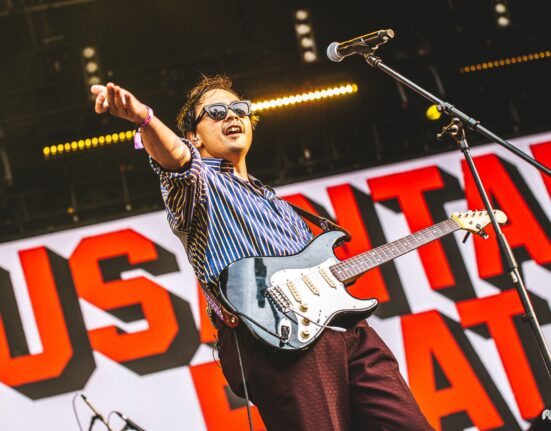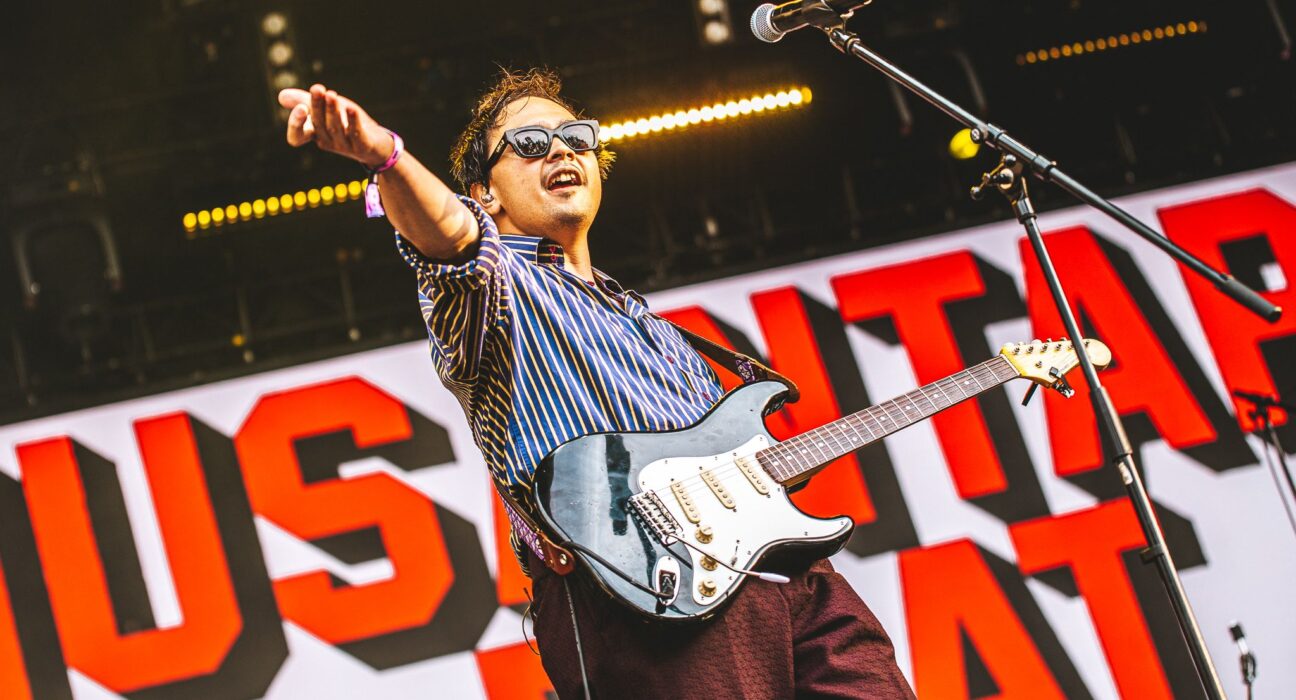
Za mnoge posjetitelje ovogodišnjeg INmusic Festivala Nusantara Beat bili su jedno od manje poznatih imena na lineupu. Ipak, kolektiv iz Amsterdama sa sobom je donio jednu od zanimljivijih priča festivala.
Crpeći inspiraciju iz indonezijske glazbene tradicije, ali odbijajući je tretirati kao muzejski eksponat, Nusantara Beat spaja nasljeđe, eksperimentiranje i kolektivno stvaranje glazbe u nešto sasvim svoje. Uoči svog prvog nastupa u Hrvatskoj razgovarali smo s članovima benda Jordyjem (gitara) i Michaelom (bas) o identitetu, nostalgiji, improvizaciji i tome zašto tradicija, po njihovom mišljenju, mora ići naprijed, a ne ostati zamrznuta u prošlosti.
Nusantara Beat: “No conservation. Progression.”
For many Croatian festival-goers, Nusantara Beat were one of the lesser-known names on this year’s INmusic lineup. Yet the Amsterdam-based collective brought one of the festival’s most distinctive stories with them.
Drawing inspiration from Indonesian musical traditions while refusing to treat them as museum pieces, the band combines heritage, experimentation and collective songwriting into something entirely their own. Ahead of their first-ever performance in Croatia, we spoke with members of the group, Jordy (guitar) and Michael (bass), about identity, nostalgia, improvisation and why they believe tradition should move forward rather than stand still.
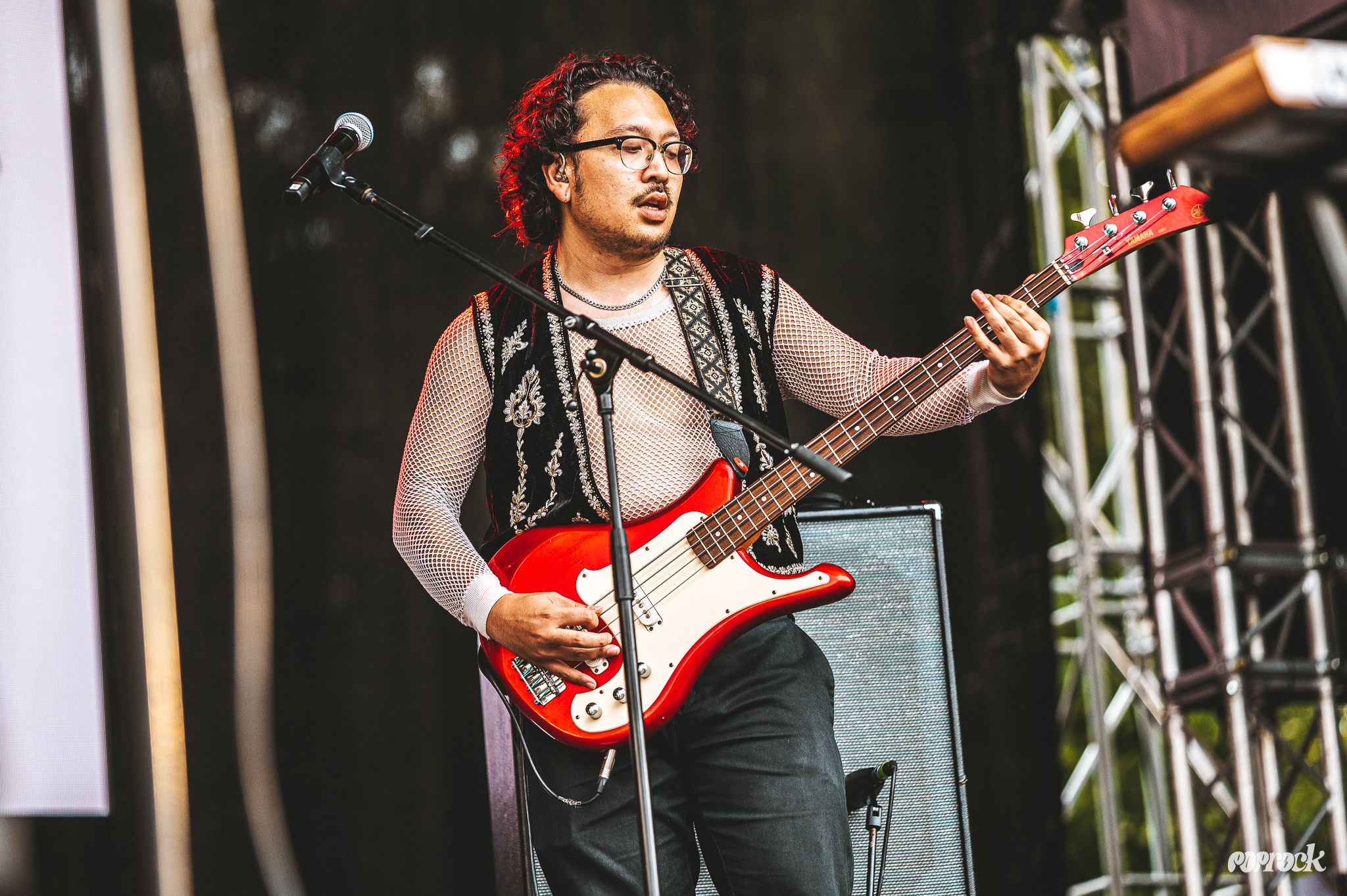
Mnogima na INmusicu ovo je prvi susret s vama. Kako biste predstavili bend?
Mi smo Nusantara Beat i sviramo psihodelični indonezijski folk-rock, pop, groove, funk… pomalo svega.
Kad bismo morali sažeti ono što radimo u jednu rečenicu, rekli bismo da spajamo tradicionalnu indonezijsku glazbu sa suvremenim instrumentima poput električne gitare, basa, bubnjeva i udaraljki.
Dolazimo iz Amsterdama, ali svima nam je zajedničko indonezijsko podrijetlo.
Ovo vam je i prvi nastup u Hrvatskoj. Kakvi su prvi dojmovi?
Prvi put smo ovdje, i kao bend i privatno.
Za sada nam je stvarno lijepo. Malo je vruće, ali iskreno, ovih dana je jednako vruće i u Nizozemskoj.
Amsterdam je jedan od najmultikulturalnijih europskih gradova. Koliko je život tamo utjecao na vašu glazbu, a koliko inspiraciju pronalazite u vlastitim korijenima?
To je dobro pitanje.
Za nas je ovaj bend od početka bio način da kroz glazbu istražimo vlastiti identitet i svoje korijene.
Naravno da u Amsterdamu postoji mnoštvo različitih kultura, ali ne bih rekao da je sam grad izravno oblikovao ovaj projekt. Zapravo, ni ondje mnogo ljudi nije poznavalo ovu vrstu indonezijske glazbe.
Uvijek je postojao mali krug kolekcionara ploča i DJ-eva koji su kopali po starim izdanjima i otkrivali takvu glazbu, ali za većinu ljudi na alternativnoj sceni u Amsterdamu to je bilo nešto sasvim novo.
Više nas je inspiriralo ono što dijelimo.
Indonezija je nekoć bila nizozemska kolonija pa su se mnoge indonezijske obitelji tijekom pedesetih i šezdesetih godina preselile u Nizozemsku. Mnogi su pritom bili poticani na asimilaciju, što je često značilo da su dijelovi njihove kulture ostajali po strani.
Danas, šezdeset ili sedamdeset godina kasnije, postoji prostor da treća generacija ponovno otkriva to nasljeđe.
I smatramo se privilegiranima što to možemo raditi.
U ranijim intervjuima govorili ste o nostalgiji i osjećaju pripadanja više kultura odjednom. Pomaže li vam glazba povezati te različite dijelove identiteta?
Indonezija je golema zemlja i sama po sebi sadrži brojne različite kulture.
Istovremeno, svi smo odrasli slušajući zapadnu glazbu, alternativni rock, britanske bendove, američku glazbu devedesetih.
Ono što pokušavamo napraviti jest spojiti ta dva svijeta.
Uzeti nasljeđe koje dolazi iz Indonezije i povezati ga s glazbom uz koju smo odrasli.
To je neka vrsta simbioze.
Iz toga nastaje nostalgija koja istovremeno pripada i Indoneziji i Nizozemskoj.
Jednom ste rekli da tradicionalnu glazbu ne treba „staviti pod stakleno zvono“. Što to znači?
Da.
Ne očuvanje radi očuvanja. Napredak.
Postoji izraz Tempo Dulu, koji se odnosi na pogled prema kolonijalnoj prošlosti Indonezije. O tome su napisane brojne knjige i snimljeni mnogi filmovi.
Ali jednako je važno okrenuti se i prema budućnosti.
Naravno, bez ignoriranja prošlosti.
Točno tako. Nostalgija je i dalje prisutna.
Ali želimo je ponijeti sa sobom i nastaviti dalje. Ne želimo ostati zarobljeni u njoj.
Osim toga, kao glazbenici prirodno težimo eksperimentiranju. Volimo uzeti nešto postojeće i od toga stvoriti nešto novo.
To smo jednostavno mi.
Kako izgleda proces pisanja pjesama u bendu?
Mijenja se od pjesme do pjesme, ali trenutačno radimo na drugom albumu i za nas pisanje uglavnom znači zajedničko sviranje.
Počnemo jamati.
Sve snimamo na mobitele i kasnije preslušavamo.
Ako čujemo nešto što nam se sviđa, zadržimo to.
Velik dio naših pjesama nastaje kroz improvizaciju.
Nekad te snimke odnesemo kući i nastavimo ih razvijati, ali sve kreće iz zajedničkog sviranja.
Nemamo jednog glavnog autora.
Mi smo bend.
Volimo raditi kolektivno jer tada projekt zaista osjećamo kao nešto naše, a ne kao viziju jedne osobe.
Na kraju se sve svodi na zajedništvo.
Pjevate na indonezijskom jeziku. Mogu li se ljudi povezati s pjesmama iako ne razumiju riječi?
Apsolutno.
Kad smo bili mlađi, slušali smo englesku glazbu i često nismo razumjeli većinu tekstova.
Ali svejedno smo nešto osjećali.
Neki ljudi pažljivo prate riječi, drugi se više povezuju sa zvukom i atmosferom.
Za nas je i glazba sama po sebi jezik.
Možda zvuči kao klišej, ali istina je.
Ne morate razumjeti svaku riječ da biste razumjeli emociju.
Svirali ste i festivale i klupske nastupe. Što vam je draže?
Ovisi koga pitaš.
Za Jordyja — klubovi.
Jer ljudi dolaze baš zbog tebe.
Za Michaela — festivali.
Jer su mjesto otkrivanja.
Ljudi često ne znaju što će čuti.
Ako ih ne osvojiš, nema veze.
Ali ako ih osvojiš, osjećaj je još bolji.
Festivali su širenje vidika — otkrivanje novih izvođača, novih zvukova i novih iskustava.
Klupski koncert je nešto drugo.
Ljudi odluče provesti sat ili dva s jednim izvođačem i prepustiti mu se.
U klubu postoji snažnija povezanost s publikom i više prostora da zajedno odeš dublje u glazbu.
Što biste voljeli da hrvatska publika ponese sa sobom nakon vašeg nastupa?
Mislim da je odgovor isti kao i maloprije.
To je na njima.
Ne možemo mi odlučiti što će netko ponijeti sa sobom.
Svatko glazbu doživljava na svoj način.
Pred kraj razgovora bend su već čekale nove festivalske obveze i novi intervjui, ali ne prije nego što smo razmijenili nekoliko šala, razgovarali o omiljenim životinjama i naučili nekoliko riječi na indonezijskom. Sasvim prikladan završetak razgovora koji je, baš poput njihove glazbe, spojio nasljeđe, znatiželju i dobru dozu humora.
A ako bi se njihova filozofija mogla sažeti u jednu rečenicu, onda bi to bila upravo ona koju su tijekom razgovora ponovili više puta:
„Ne očuvanje radi očuvanja. Napredak.“
Ovdje pročitajte i naš izvještaj s njihovog nastupa na INmusic Festivalu.
For many people at INmusic this is their first encounter with Nusantara Beat. How would you introduce the band?
We’re Nusantara Beat and we make psychedelic Indonesian folk rock, pop, groove, funk… everything.
If we have to put our whole musical library into one sentence, we mix traditional Indonesian music with contemporary instruments like electric guitar, bass, percussion and drums.
We’re based in Amsterdam and we all share Indonesian roots.
This is also your first time performing in Croatia. What are your first impressions?
It’s the first time for us as individuals and for the band as a whole.
It’s really lovely here. A bit hot, but it’s hot in the Netherlands as well.
Amsterdam is one of Europe’s most multicultural cities. Has living there influenced your music, or does your inspiration come more from your Indonesian heritage?
That’s a nice question.
For us, making this music started as a way of discovering our personal identity and roots. We wanted to do that through music.
Of course, there are many cultures in Amsterdam, but I don’t think the city directly influenced us in creating this project. In fact, not many people were familiar with this type of Indonesian music.
There were always vinyl collectors and DJs who knew about it because they dug deep into old records, but for most people in Amsterdam’s alternative scene, it was something completely new.
We were more inspired by the roots that we share.
Indonesia used to be a Dutch colony, so many Indonesian families moved to the Netherlands during the 1950s and 1960s. But many of them were encouraged to assimilate into Dutch culture, often leaving parts of their heritage behind.
Now, sixty or seventy years later, there’s finally room for a third generation to rediscover that culture.
We’re privileged to be able to do that.
In previous interviews you’ve spoken about nostalgia and belonging to more than one culture. Does music help you reconcile those different parts of your identity?
Indonesia is huge. There are so many different cultures within Indonesian culture itself.
At the same time, we all grew up listening to the same Western music, alternative rock, British music, American music from the ’90s.
So what we try to do is combine those worlds.
We take the heritage from Indonesia and fuse it with the music we grew up listening to.
It’s a sort of symbiosis.
It creates a feeling of nostalgia that belongs both to Indonesia and to the Netherlands at the same time.
You once said that traditional music shouldn’t be “put under glass.” What does that mean to you?
Yes.
No conservation. Progression.
There’s a term called Tempo Dulu. It refers to looking back at the colonial past of Indonesia. Many books have been written about it, many films have been made about it.
But we think it’s equally important to turn around and look toward the future.
Without ignoring the past, of course.
Exactly. The nostalgia is still there.
But we want to take it with us and move forward. We don’t want to stay stuck there.
And besides that, it’s simply in our nature as musicians to experiment. We like creating something new out of what already exists.
That’s just who we are.
How does songwriting work within the band?
It changes all the time, but mostly we’re working on our second record now and for us, writing means playing music together.
We simply start jamming.
We record everything on our phones and then listen back afterwards.
If we hear something we like, we keep it.
We compose through improvisation.
Sometimes we take those recordings home and continue developing them later, but everything starts from playing together.
There isn’t one designated songwriter.
We’re a band.
We like doing everything collectively because then it truly feels like our own project rather than one person’s vision.
It’s really about togetherness.
Your music is performed in Indonesian. Do you think audiences can connect emotionally to the songs even if they don’t understand the language?
Absolutely.
When we were younger, we listened to English music and we didn’t understand most of the lyrics. But we still felt something.
Some people listen closely to words. Others connect more with sounds and atmosphere.
For us, music is also a language.
Maybe it’s a cliché, but it’s true.
You don’t always need to understand every word to understand the feeling.
You’ve played both festivals and club shows. Which do you prefer?
It depends.
For Jordy — clubs.
Because people come specifically to see you.
For Michael — festivals.
Because they’re a place of discovery.
People don’t know what they’re about to hear.
If it misses, that’s okay. But if it connects, it feels even better.
Festivals are about widening out, discovering different artists, different sounds and different experiences.
A club show is about deepening.
People commit to spending an hour or two with one artist and that artist takes them on a journey.
In a club, there is a stronger connection with the audience and more opportunity to go deeper.
Finally, what would you like Croatian audiences to take away from a Nusantara Beat show?
For me, it’s the same answer as before.
That’s for them to decide.
We can’t fill that in for people.
Everyone experiences music differently.
As our conversation wrapped up, the band was quickly pulled away for another round of festival interviews, but not before sharing a few laughs, discussing favourite animals and even teaching us some Indonesian words. A fitting ending to a conversation that, much like their music, balanced heritage, humour and curiosity in equal measure.
And if their philosophy can be summed up in one sentence, it might be the one they repeated more than once throughout the interview:
“No conservation. Progression.”
You can read our concert report here.